A tradition can survive for centuries and still disappear within a generation.
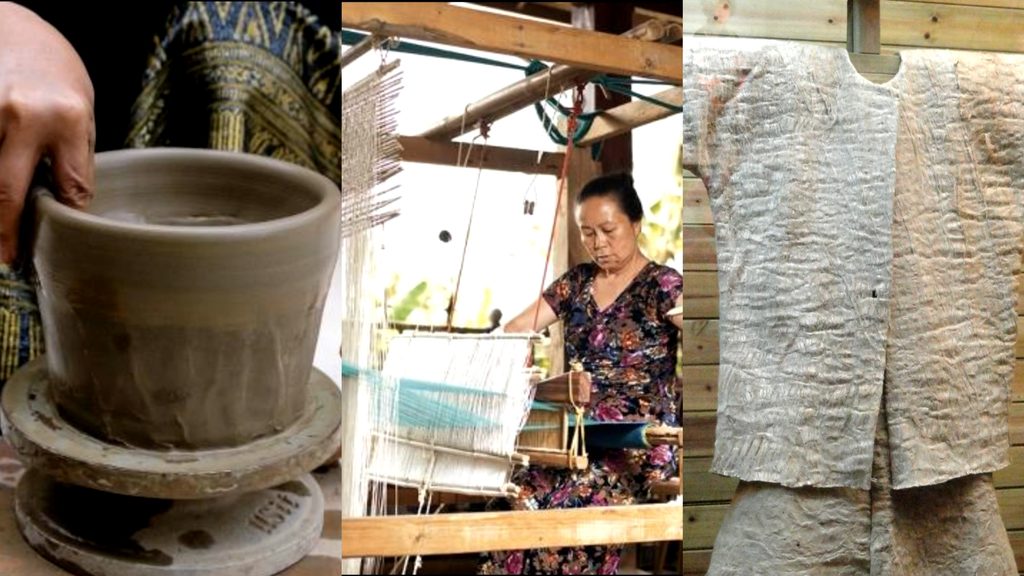
In Xishuangbanna, traditional Dai pottery, Dai brocade weaving, and Hani bark-cloth clothing carry generations of cultural knowledge. But handmade production takes time, costs more, and traditional designs may not meet modern demand. When these crafts can no longer provide a viable livelihood, fewer young people choose to learn them. Without new generations to carry them on, living traditions risk becoming museum displays.
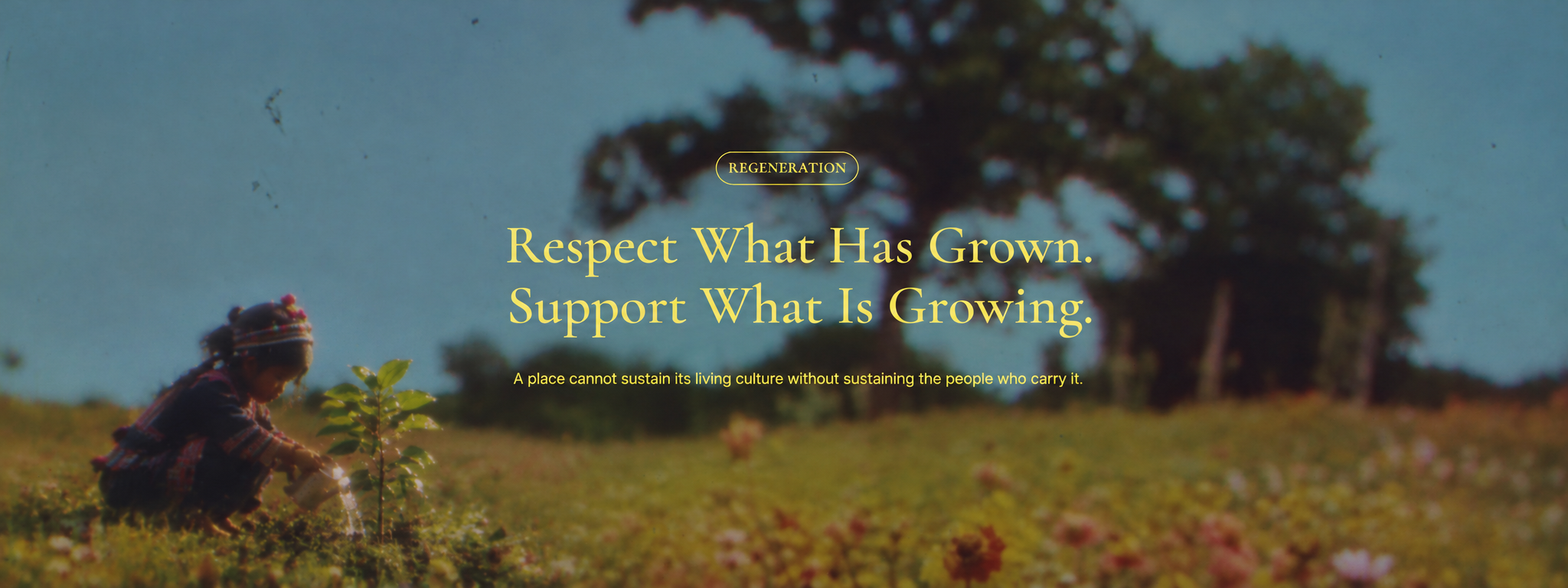
A place cannot sustain its living culture without sustaining the people who carry it.
We believe tradition needs more than protection. It needs a place in contemporary life.
Tea is one example. Traditional tea drinking can require time, space and multiple utensils — things that modern lifestyles do not always allow. If tea cannot adapt to changing tastes and habits, it risks becoming something people admire as heritage but rarely experience.
From cold-brew tea and creative tea drinks to new ways of gathering around tea, innovation can bring tea into everyday life and give younger generations new reasons to engage with it. Traditional crafts can also find new life through contemporary design, creating opportunities for local skills to reach wider audiences and support livelihoods.
As people pay more attention to mental wellbeing, new wellness experiences are emerging in Xishuangbanna. By bringing together tea, yoga,Tai Chi, and Traditional Chinese Medicine, these experiences connect traditional wisdom with contemporary ways of living.
Tradition does not have to remain unchanged to remain meaningful. It needs room to evolve, people willing to carry it forward, and opportunities for them to make a living from it.
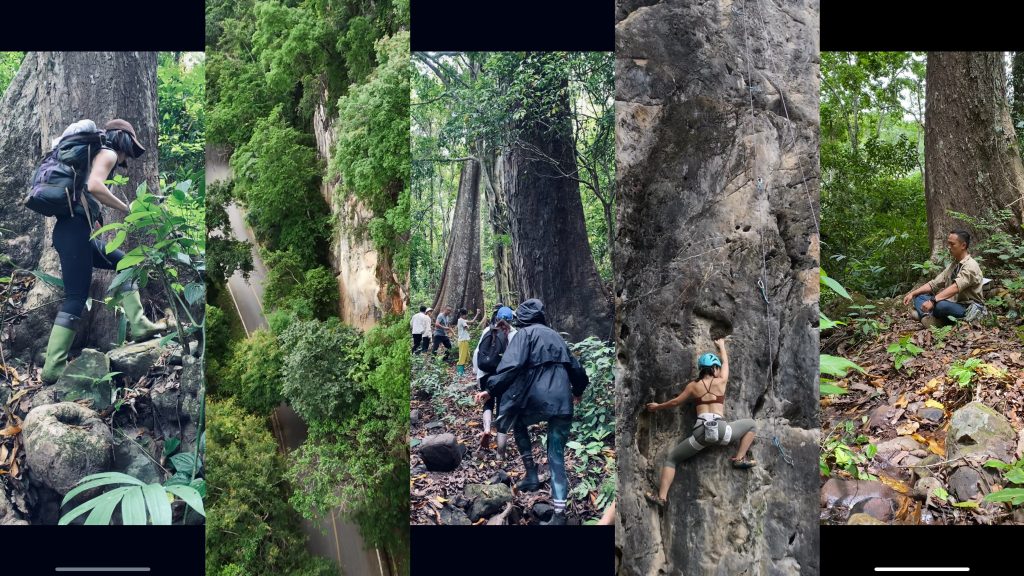
At Root Living, we connect local culture and traditional knowledge with contemporary creativity through our experiences in Xishuangbanna. We want visitors to discover not only what has been passed down, but also what is growing here today.
We want Xishuangbanna to be more than a place worth visiting. We want it to remain a place where people can stay, return, create and build a life.
Nature gives a place its foundation. Culture gives it memory. But it is people who keep that memory alive.
For us, regeneration means respecting what has grown here and supporting what is growing here now — so local culture can continue to evolve, and future generations can find their own place in it.